Essaouira’s character comes from more than its coastal setting. A layered history of trade, craftsmanship and cultural exchange helps explain why the old town remains distinctive today.
INDEPENDENT ATLANTIC COAST TRAVEL GUIDE · LAST CHECKED OCTOBER 2026
UNESCO listingMedina of Essaouira, 2001
Historical settingEighteenth-century fortified port
Creative cultureArts, crafts and music
How to exploreWalk, observe and ask respectfully
A PRACTICAL GUIDE
History, arts and music.
This page covers the history, arts and music behind the old town. For a walking guide to the streets and ramparts, see the medina guide.
Information on routes, prices, opening times, safety and availability can change. Where useful, direct links to primary sources are provided at the end of the guide.
01 / 05
A fortified trading town with many influences
UNESCO inscribed the medina in 2001 as an outstanding, well-preserved example of a mid-eighteenth-century fortified seaport, with European military design set in a North African town. The port linked Morocco and sub-Saharan Africa with Europe, and UNESCO notes that Amazigh, Arab, African and European communities, and Muslim, Christian and Jewish residents, lived here. The town, formerly called Mogador, was founded by Sultan Sidi Mohamed Ben Abdallah, who reigned from 1757 to 1790.
The city’s physical layout and layered identity make it a place to understand through walking rather than a checklist of single monuments. Public streets are active spaces shared by residents, merchants and visitors.
02 / 05
Skala, ramparts and harbour history
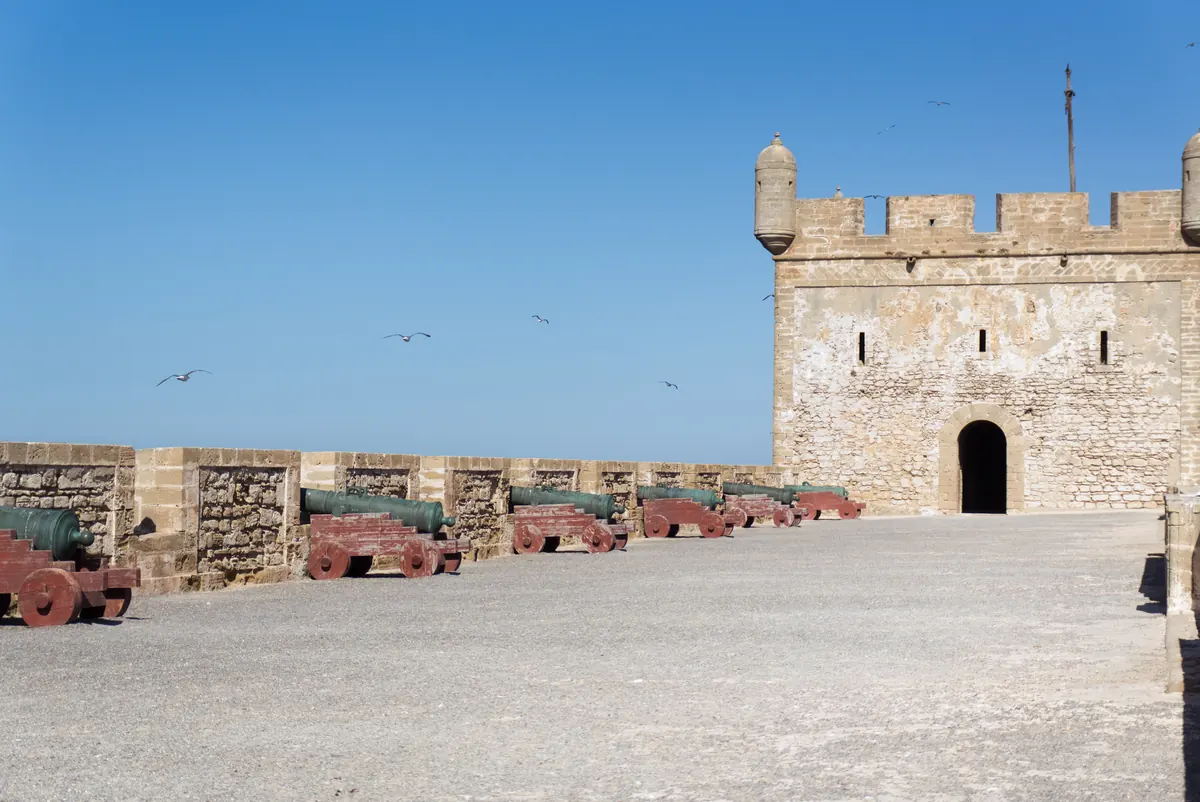
The Skala de la Kasbah and Skala du Port are associated with the town’s coastal defence; the provincial tourism site dates the Skala du Port to 1764 and says it was classified as national heritage in 1924. The harbour continues to serve as a working waterfront. Together they connect heritage to present-day activity.
Entry arrangements, opening hours and any ticketing must be checked at the specific site. Some views are available from public streets while enclosed areas have their own access rules.
03 / 05
Art galleries and creative spaces
The medina has art galleries and artists’ spaces, and the Sidi Mohamed Ben Abdallah Museum presents the region’s crafts and popular traditions. Individual exhibitions and studios can change quickly, so allow flexibility while moving through the medina.
Buy directly where possible and ask about the artwork, materials and provenance. A respectful conversation is often more valuable than trying to bargain on pieces you do not understand.
04 / 05
Gnawa music and festivals
Gnawa music, which combines Sufi-rooted ritual, song and trance ceremonies and was listed by UNESCO as intangible heritage in 2019, is closely associated with Essaouira’s cultural identity. The Gnaoua & World Music Festival is held in late June: press reports give 25–27 June for 2026, and the organiser has announced 24–26 June 2027. Dates, venues and ticketing change each year; see Events and confirm with the festival’s organizers.
Music can also be encountered outside large festivals, but never assume a performance is free or a venue operates on a fixed schedule.
05 / 05
Craftsmanship, markets and cultural respect
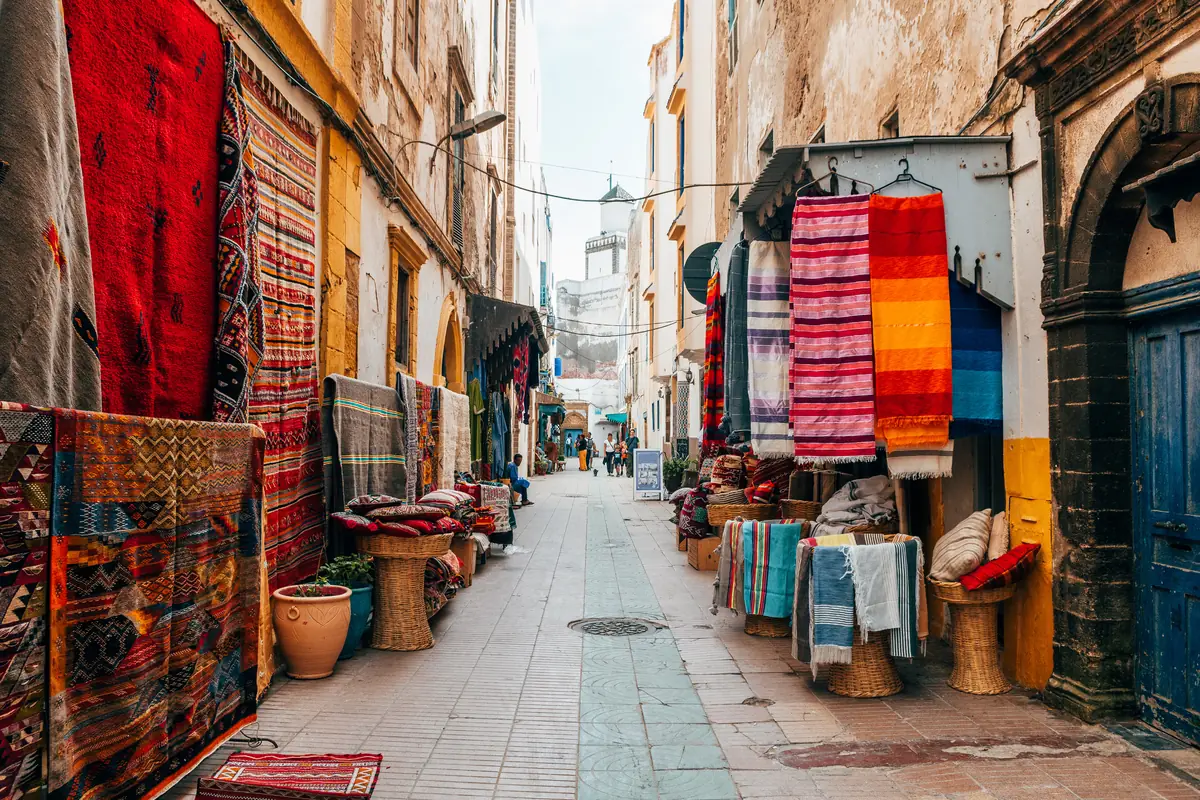
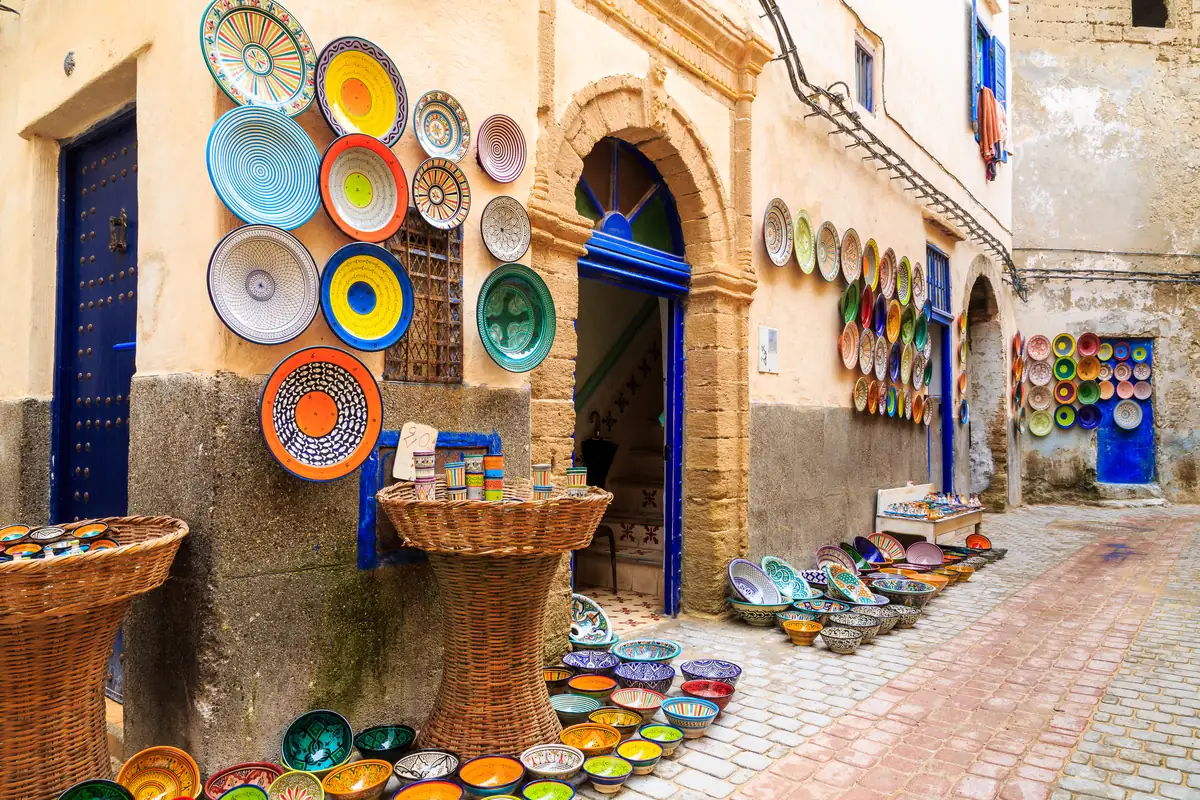
Woodworking, textiles, metalwork and regional argan products all feature in the area’s craft economy. Markets combine everyday shopping with visitor-facing businesses.
Appreciate that artisans are working; photography or prolonged demonstrations may require permission. Avoid reducing everyday religious or cultural places to attractions.
VISITOR QUESTIONS
Culture questions.
Short answers on history, music and visiting. Check dates and opening times before you travel.
Why is Essaouira a UNESCO site? +
Its medina represents an exceptionally preserved fortified trading town with distinct historical urban planning and cultural exchange.
Is Essaouira known for music? +
Yes. Gnawa music and the annual Gnaoua & World Music Festival are important parts of the city’s cultural life.
Are galleries open every day? +
Schedules vary; check individual galleries or exhibitions.
Can I visit historic ramparts? +
Some public areas are accessible, but confirm current access and any fees at each monument.
Should I ask before taking photos? +
Yes, especially when people, workshops or religious settings are involved.
Sources & further reading
Primary and official resources used for background and changeable details. Check the live information before making travel decisions.