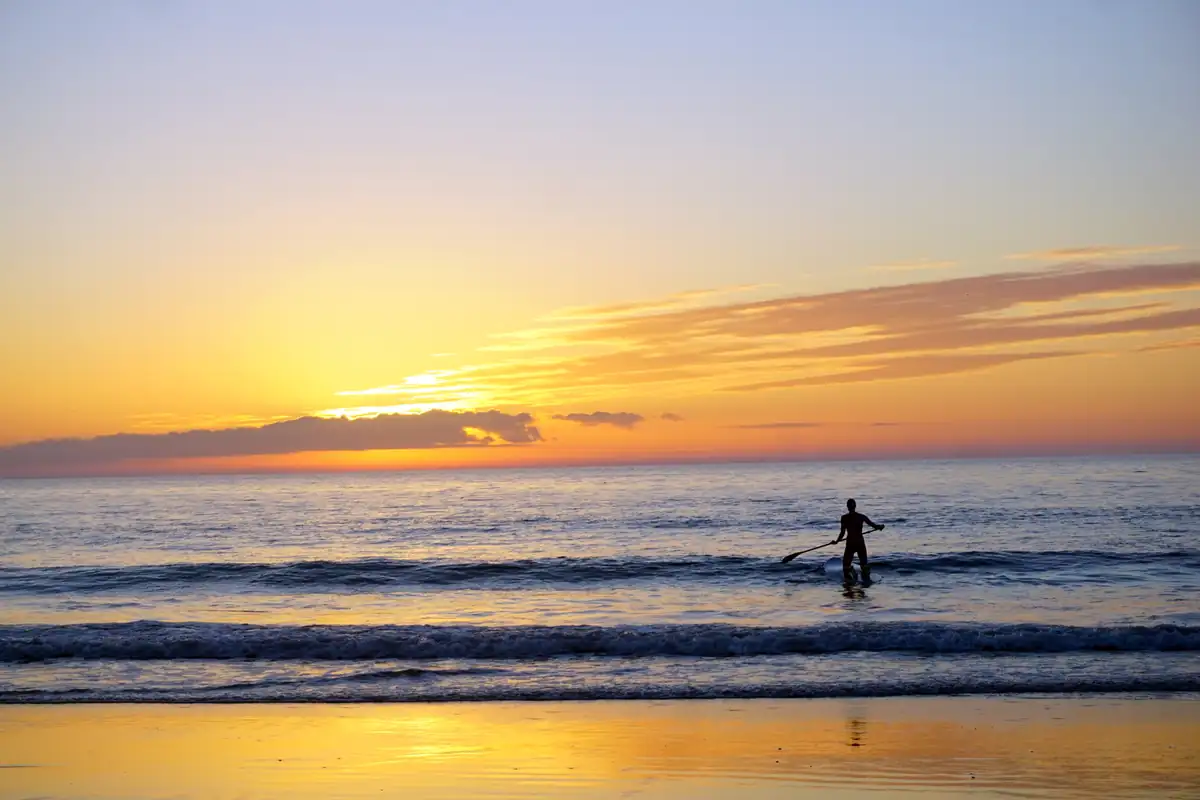
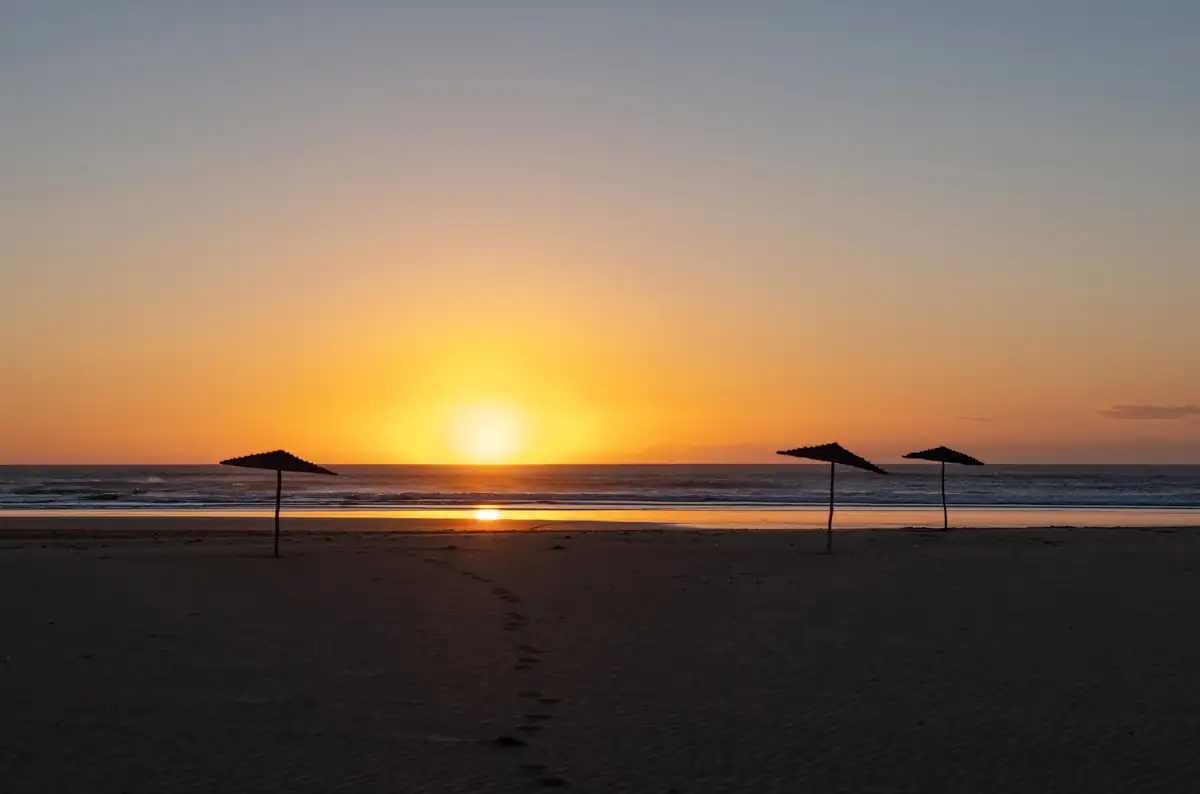
Essaouira’s Atlantic setting shapes the visit. Rather than promising perfect weather in a particular month, this guide explains the seasonal considerations and how to plan flexibly.
INDEPENDENT ATLANTIC COAST TRAVEL GUIDE · LAST CHECKED OCTOBER 2026
Climate influenceAtlantic ocean and wind
For beach visitsCheck today’s forecast
For sportsFollow instructor safety advice
PackingBring a light layer
A PRACTICAL GUIDE
Reading the seasons.
The guide covers what each season means for a visit, why wind matters as much as temperature, month-by-month planning without false guarantees, what to pack and how to plan events and transport around the weather.
Information on routes, prices, opening times, safety and availability can change. Where useful, direct links to primary sources are provided at the end of the guide.
01 / 05
What the seasons mean for your trip
Spring often appeals to visitors interested in walking and outdoor exploration, but wind and temperatures can vary. Summer can bring strong Atlantic breezes, which may be welcomed by some wind-sport visitors and uncomfortable for people expecting still air.
Autumn can be attractive for mixed city and coast plans; winter may bring cooler conditions, rain and changing sea states. There are no guaranteed calm weeks. Use actual forecasts rather than assuming a season will behave the same every year.
02 / 05
Wind matters as much as temperature
Wind can change beach comfort, clothing needs, sand conditions and which water sports are appropriate. A warm forecast alone does not tell you how sheltered a café terrace or open beach will feel. Wind-sport guides report the breeze as most consistent from about June to September, often strengthening after midday.
For surfing and kitesurfing, specific wind speed, direction, surf conditions and tides matter more than a simple daily weather icon. A reputable instructor should make a day-of decision.
03 / 05
Month-by-month planning without false guarantees
January–March: daytime highs of about 18–19°C, nights around 10–13°C, and roughly four rainy days a month. April–June: highs of about 19–21°C and rain becoming rare. July–September: highs of 22–23°C, almost no rain and the Atlantic breeze shaping many beach days. October–December: highs easing from 22°C to 19°C, with rain returning from November.
These are long-term averages (see Sources; annual rainfall is about 300 mm), not forecasts, and a given week can be cooler, wetter or windier. If your trip depends on a particular activity, research that operator’s season and contingency plan.
04 / 05
What to pack in any season
For an Essaouira city break, start with comfortable walking shoes, sun protection, a reusable water bottle and a layer for wind. Add a warmer top or rain protection for cool seasons.
For guided water sports, ask which equipment is included. Wetsuits and personal protection depend on conditions and operator policy; avoid buying gear before knowing the requirements.
05 / 05
Plan events and transport around weather
Road travel, festivals and guided excursions need buffers. Wind or rain can make an outdoor itinerary less enjoyable, and providers may change activity times for safety.
For a comfortable holiday, keep a flexible afternoon option such as a medina visit or meal. Check any event announcement through the official organizer rather than depending on an old article’s dates. The Events page covers the Gnaoua festival.
VISITOR QUESTIONS
Weather questions.
Short answers on seasons, wind and packing.
Is Essaouira windy? +
Yes, wind is a prominent part of its Atlantic climate, most consistently in summer, but strength and direction vary.
What is the best month to visit? +
It depends on whether you want sightseeing, water sports or beach relaxation. No month guarantees calm weather.
Is it warm in winter? +
Daytime highs average about 18°C in January and February, with nights around 10–12°C, so evenings, rain and wind make warm layers useful.
Can I plan surf lessons months ahead? +
You can enquire, but the suitable lesson location and schedule depend on conditions at the time.
What should I pack? +
Walking shoes, layers, sun protection and weather-appropriate clothing are useful for most visits.
Sources & further reading
Primary and official resources used for background and changeable details. Check the live information before making travel decisions.